
Crab fishing is a popular recreational activity enjoyed by many people around the world.
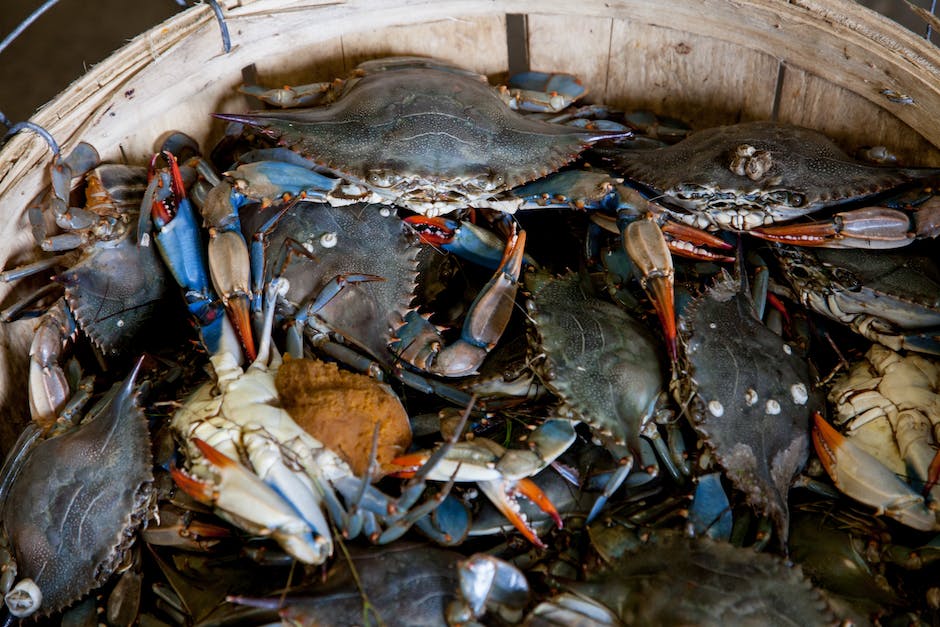
Crustacean Photography: Tips For Capturing Wild Crabs In Their Natural Habitat
Are you a nature lover who enjoys capturing the beauty of wildlife through photography? If so, you might want to try your hand at crustacean photography. Crabs are fascinating creatures that can be found in various habitats, from sandy beaches to rocky shores. However, capturing them in their natural habitat can be quite challenging. Here are some tips to help you get started:
1. Know your subject
Before you start taking pictures, it's important to know a little bit about the crabs you're trying to capture. There are many different species of crabs, and each has its own unique characteristics. For example, some crabs are more active during the day, while others are more active at night. Some crabs live in shallow water, while others prefer deeper waters. Knowing these details will help you plan your photography session and increase your chances of capturing the perfect shot.
2. Choose the right equipment
When it comes to crustacean photography, having the right equipment is crucial. You'll need a good quality camera with a macro lens to capture the intricate details of the crabs. A tripod can also be helpful to keep your camera steady and avoid blurry shots. If you're planning to take pictures in the water, you'll need a waterproof camera or a waterproof housing for your camera.
3. Find the right location
Crabs can be found in various habitats, but some locations are better than others for photography. Look for areas where crabs are abundant, such as rocky shores, tidal pools, or sandy beaches. You can also try visiting crabbing piers or fishing docks, where crabs are often caught by fishermen.
4. Be patient
Photographing crabs in their natural habitat requires patience and persistence. Crabs are often skittish and will quickly scuttle away if they sense danger. To get the perfect shot, you may need to wait for the crab to come out of its hiding place or wait for it to move into a better position. Be prepared to spend some time waiting and observing the crabs before you start taking pictures.
5. Use natural light
When taking pictures of crabs, it's best to use natural light whenever possible. Crabs have shiny shells that can reflect artificial light, causing glare and making it difficult to capture the details of their bodies. Try to take pictures during the early morning or late afternoon, when the light is softer and more flattering.
6. Experiment with angles
One of the best things about crustacean photography is that there are so many different angles and perspectives to explore. Try taking pictures from different angles, such as from above, below, or at eye level with the crab. You can also experiment with different compositions, such as close-ups of the crab's claws or shots that capture the crab in its natural environment.
7. Respect the crabs
Finally, it's important to remember that crabs are living creatures that deserve respect. When taking pictures, be careful not to disturb their natural habitat or cause them harm. Avoid touching or handling the crabs, and don't leave any trash or debris behind.
Crustacean photography can be a rewarding and challenging hobby for nature enthusiasts. By following these tips, you can capture the beauty and intricacy of wild crabs in their natural habitat.
Popular Blog Posts

Indonesia is a country that is known for its rich and diverse cuisine.

Crab is a delicacy that many seafood lovers can't resist.
There's something about blue that just draws us in.
Latest News
 February 16th 2026
 February 15th 2026